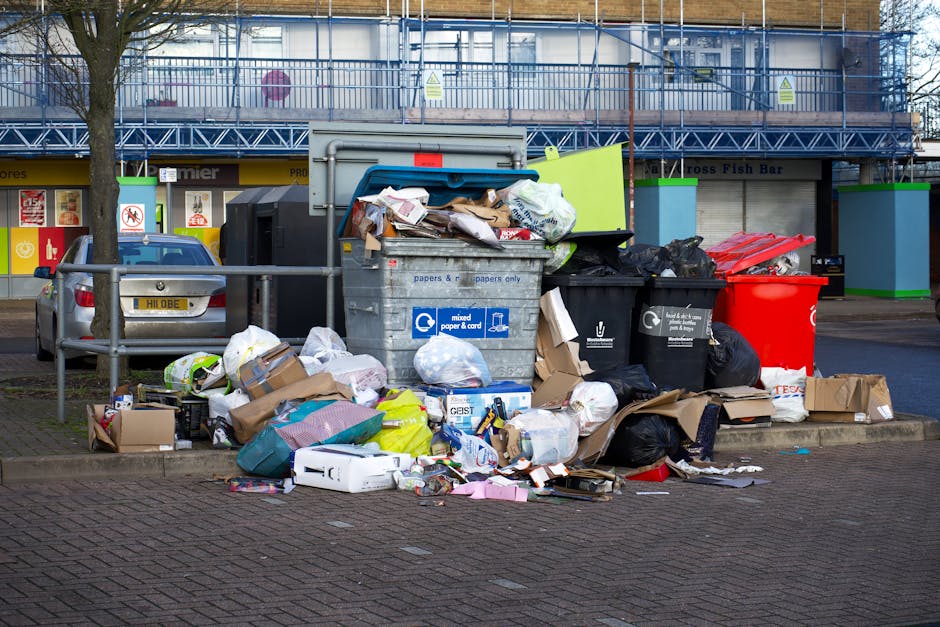
Waste disposal rules after Knightsbridge removals and donations
After a move, the last boxes always seem to hide the awkward bits: a broken lamp, an old chair, packaging that multiplies overnight, and the pile of things you meant to donate but never quite got round to. If you are sorting waste disposal rules after Knightsbridge removals and donations, the goal is simple enough: remove what you no longer need, donate what still has life in it, and dispose of the rest properly without creating a mess, a fine, or a headache later.
That sounds straightforward. In practice, it can be a bit fiddly. Different items need different treatment, donations need to be in usable condition, and local expectations around waste handling are stricter than many people realise. This guide walks through the practical side of post-removal clean-up in Knightsbridge, with a clear focus on safe disposal, sensible reuse, and the little details that save time. If you are planning a wider move, it can also help to look at professional removals and home moves support so the end of the job feels calmer, not rushed.
Truth be told, the final sweep is where good moves become genuinely good experiences. A tidy exit matters.
- Quick takeaway: donate usable items first, separate recyclables, and only use lawful disposal routes for anything left over.
- Best practice: sort before the van leaves, not after the hallway is already full of mixed bags.
- Local mindset: in a dense area like Knightsbridge, responsible waste handling protects neighbours, building staff, and your own schedule.
Table of contents
- Why waste disposal rules after removals and donations matter
- How the process works in practice
- Key benefits and practical advantages
- Who this is for and when it makes sense
- Step-by-step guidance
- Expert tips for better results
- Common mistakes to avoid
- Tools, resources and recommendations
- Law, compliance, standards, and best practice
- Options, methods, and comparison table
- Case study or real-world example
- Practical checklist
- Conclusion
- Frequently asked questions
Why Waste disposal rules after Knightsbridge removals and donations Matters
Waste rules matter because a move creates a mixed stream of items, and mixed waste is where problems start. One box may contain paper and cardboard, another may have a mirror, batteries, and a cable, and a third may hold a nearly new kettle you would happily donate if it were cleaned and working. If these items are just thrown together, the result is more expensive, harder to process, and more likely to be rejected by donation partners or recycling facilities.
In Knightsbridge, there is also the practical reality of shared buildings, limited loading space, and fast-moving schedules. A hallway left cluttered with bags or a pavement blocked by unsorted junk can upset neighbours and create avoidable friction with building managers. Nobody wants that on moving day, especially when the lift is already booked and the porter is watching the clock. A small bit of order goes a long way.
It also matters for reputation. If you are moving out of a flat, office, or managed property, the standard you leave behind reflects on you. Cleaner disposal habits reduce the risk of complaints, additional cleaning charges, or awkward follow-up calls. For businesses, the stakes can be even higher, which is why services such as commercial moves and office removals often need a sharper waste plan than a simple domestic move.
Expert summary: the smartest approach is to treat donations, recycling, and disposal as three separate jobs. That one habit cuts confusion, saves money, and keeps the end of the move far more manageable.
How Waste disposal rules after Knightsbridge removals and donations Works
The process usually starts before anything is loaded onto the van. Ideally, you sort every item into one of four groups: donate, recycle, dispose, or keep. That sounds obvious, but it is the step most people skip when they are tired and surrounded by packing tape. The result is a last-minute jumble that takes much longer to resolve.
Donation is the easiest category to misunderstand. A donation item should generally be clean, complete, and suitable for reuse. A sofa with a broken frame, stained upholstery, or missing cushions is not really a donation item, even if it still looks passable from one angle. Likewise, electrical goods should be safe and presentable; if they are damaged or heavily worn, recycling or disposal is usually the more responsible route.
Recycling is the middle ground. Cardboard boxes, some plastics, metal fixtures, empty household containers, and certain small appliances can often be recycled, but only if they are separated properly and free from contamination. A greasy pizza box is not the same as a dry packing carton, and yes, that difference still seems to surprise people every week or so.
Disposal is the final category, for anything that cannot be reused or recycled. This can include damaged furniture, broken mirrors, torn textiles, mattresses, or mixed waste that has no useful recovery route. The crucial point is that disposal should happen through a lawful and appropriate method, not by leaving items in the street, using the wrong bin, or assuming that someone else will sort it out later.
When removals are handled professionally, the handover is usually smoother because the waste decision is made in advance. That is one reason many customers combine moving support with furniture pick-up or broader help from removal services, especially when there is a mix of usable items and bulky leftovers.
Key Benefits and Practical Advantages
Following sensible waste disposal rules after removals and donations is not just about avoiding trouble. It makes the whole day easier. You move faster, clear space sooner, and reduce the amount of decision-making you need to do while you are already tired. That alone is worth a lot.
- Lower risk of fines or complaints: correct disposal avoids illegal dumping and helps you stay on the right side of local rules.
- Less clutter at handover: landlords, managing agents, and buyers usually prefer a clean, emptied property.
- Better donation outcomes: charities and reuse organisations are more likely to accept well-presented items.
- Lower environmental impact: reuse and recycling keep useful materials in circulation for longer.
- Less stress on moving day: fewer unknowns, fewer bins, fewer last-minute arguments over "keep or chuck?"
There is also a practical financial angle. Disposing of everything as mixed waste often costs more than separating it properly. A box of clean cardboard is a very different beast from a heap of mixed rubbish. Same with a chair that can be donated versus one that has to go as bulky waste. The more you separate, the more options you keep open.
And let's be honest: a tidy exit feels better. You can walk out knowing the home or office was left responsibly, not with that nagging thought that something odd is still sitting in the basement corner.
Who This Is For and When It Makes Sense
This topic is relevant to almost anyone moving in or out of Knightsbridge, but a few groups need it most.
- Home movers: if you are clearing a flat, townhouse, or rental property and want to deal with extra furniture, packaging, or unwanted household items.
- Landlords and tenants: when end-of-tenancy clearance needs to be tidy and compliant.
- Homeowners downsizing: often there is a blend of heirlooms, excess furniture, and items ready for reuse.
- Businesses: office clearances can involve desks, chairs, files, packaging, and electrical equipment that needs careful handling.
- Anyone donating after a move: if you are trying to pass items on responsibly without creating a second mess in the process.
It makes sense whenever the move is not just a move. If there is a clear-out attached, waste planning becomes part of the project. That could mean one room, one floor, or an entire office suite. For larger jobs, it can be helpful to combine disposal planning with packing and unpacking services, because the better the sorting process, the less likely you are to end up with mystery boxes six months later. We have all seen those, haven't we?
One-line reality check: if you are wondering whether an item should be donated, recycled, or disposed of, the answer usually depends on condition, safety, and completeness.
Step-by-Step Guidance
Here is the most practical way to handle waste after a Knightsbridge removal and donation run.
- Walk the property room by room. Start with the obvious items and then check cupboards, lofts, under beds, and storage corners. Those hidden spaces always produce something awkward.
- Create separate piles. Use distinct areas or bags for donation, recycling, disposal, and keepsakes. Keep them physically apart so nobody mixes them by mistake.
- Check donation suitability. Make sure items are clean, usable, and not missing key parts. If it would be embarrassing to hand it to a neighbour, it is probably not donation-ready.
- Remove batteries, lamps, liquids, and loose accessories. These small items often change how something must be handled.
- Break down packaging where sensible. Flatten cardboard, bundle paper, and keep recyclable materials dry and clean.
- Separate electrical items. Cables, chargers, and appliances often need a different route from general waste.
- Arrange collection or drop-off. Plan the timing so items leave on the same day where possible, rather than lingering in the hallway for a week.
- Do a final sweep. Check wardrobes, utility spaces, balconies, basements, and behind doors. That last scan saves embarrassment.
A useful way to think about it is this: if you would not want to carry the item back upstairs, you probably should not leave it in the "maybe later" pile either. Move it decisively into the correct category. Done is better than almost done.
If bulky or awkward items are involved, a well-planned move with a suitable vehicle can save a lot of effort. Depending on the scale of the job, services like man and van or moving van support can make the disposal stage feel much more controllable.
Expert Tips for Better Results
In our experience, the difference between a smooth clearance and a chaotic one usually comes down to planning. Not glamorous, I know. But true.
- Sort before the final day. The earlier you separate donation and waste, the fewer decisions you have to make under pressure.
- Keep a "maybe" box. If you are unsure about an item, place it in one box and review it again after the obvious decisions are done.
- Photograph valuables and donation items. Handy for your records, insurance, or simply remembering what went where.
- Use clean bags for clean items. Donation partners are much more likely to accept things that are well-presented.
- Avoid mixing sharp or heavy items. Broken glass, metal offcuts, and loose screws can become a nasty surprise in one overstuffed bag.
- Protect shared areas. In apartment buildings, use lift covers, floor runners, or careful carrying to reduce damage and complaints.
Another tip that often gets overlooked: if you know a sofa or wardrobe will not survive another move, do not wait until the end to decide. That just creates a traffic jam in the hallway. Decide early, and the whole day breathes easier.
If you are moving out of a larger property or a business premises, it is worth checking your service terms and planning boundaries too. Pages like terms and conditions and insurance and safety can help you understand expectations before the last item leaves the building.
Common Mistakes to Avoid
Most problems after removals are not dramatic. They are small, boring, avoidable mistakes that somehow still cause a headache. Here are the big ones.
- Leaving donations until the very end: by then, the items are often dirty, damaged, or rushed.
- Assuming every charity will accept everything: acceptance depends on condition, safety, and current capacity.
- Putting recyclables in mixed rubbish: once contaminated, many materials are no longer useful.
- Abandoning items outside the property: this can count as illegal dumping or create a nuisance.
- Forgetting about batteries or electronics: these often require separate handling.
- Using communal bins for bulky waste: that usually creates a problem for everyone in the building.
- Not checking the final room: the one forgotten cupboard is rarely empty, annoyingly.
There is also a subtler mistake: being too sentimental about obvious waste. A cracked shelf with a missing bracket is not going to become useful again just because you like the colour. Be kind to yourself and realistic. That little bit of honesty saves space.
Tools, Resources and Recommendations
You do not need fancy equipment, but a few basic tools help a lot:
- Sturdy sacks or boxes for separating categories cleanly.
- Marker pens and labels so nobody confuses donation and disposal piles.
- Protective gloves for handling broken or dusty items.
- Tape and bubble wrap for securing glass, mirrors, or fragile objects.
- A trolley or sack barrow for heavier items, especially in buildings with long corridors.
On the service side, there are a few useful pages on the Knightsbridge site that can support the bigger job. If you want a deeper understanding of the company background and operating approach, the about us page is a useful place to start. For sustainability-minded moves, the recycling and sustainability page adds helpful context.
For customer admin, you may also want to review payment and security before confirming a booking, and privacy policy if you are handling personal details during a move or clearance. Not exciting reading, admittedly, but useful.
When the job is large or time-sensitive, it can be worth comparing support options. For example, a careful man with van setup may suit a smaller household clear-out, while bigger or heavier moves may call for a moving truck. Matching the vehicle to the waste volume makes a bigger difference than people expect.
Law, Compliance, Standards, or Best Practice
When waste is involved, the safest habit is to follow UK waste best practice and local collection rules carefully. This usually means you must not leave waste on public land, must not use the wrong bins for bulky items, and must not hand waste to someone who cannot lawfully carry or dispose of it. In plain English: know where the item is going, and make sure the route is legitimate.
For donors and movers, another important principle is traceability. If a collection is organised by a professional team, you want confidence that items are handled responsibly, especially with mixed loads that include reusable furniture, general rubbish, and possibly electrical goods. This is where a responsible provider's internal standards matter. Pages such as health and safety policy and modern slavery statement may seem formal, but they are part of the wider trust picture. They show that the operation is thinking about lawful and ethical handling, not just speed.
It is also wise to think about building rules. Many central London properties have strict loading, lift, noise, and access requirements. A clear waste plan helps you stay within those rules and avoids last-minute confrontation with concierge staff or managing agents. Nobody wants an argument about a mattress at 8:15 in the morning.
Best practice note: if an item feels borderline, treat it conservatively. Safe, clean, and reusable items can be donated; contaminated or damaged items should be moved into the correct disposal stream. When in doubt, being cautious usually serves you better.
Options, Methods, and Comparison Table
There are several ways to handle waste after a move. The right choice depends on quantity, condition, and time. Here is a simple comparison.
| Method | Best for | Pros | Limitations |
|---|---|---|---|
| Donation | Clean, usable furniture, household items, and some small appliances | Extends item life, reduces waste, feels efficient | Items must meet acceptance standards and be in decent condition |
| Recycling | Cardboard, clean paper, certain metals, some plastics, selected electricals | Useful for recovering materials and reducing landfill use | Contamination and mixed materials can limit what is accepted |
| Bulky waste disposal | Broken furniture, damaged household goods, items with no reuse value | Handles large or awkward items properly | May need extra planning, labour, or collection arrangements |
| Professional removal support | Full or partial property clearances, mixed loads, time-sensitive moves | Simplifies logistics and reduces physical strain | Best results depend on clear instructions and good pre-sorting |
For many people, the best outcome is a combination: donate first, recycle what can be recovered, and dispose only of the residue. That mix is usually the cleanest, cheapest, and least stressful route.
Case Study or Real-World Example
Imagine a Knightsbridge flat being cleared after a long tenancy. The living room has a sofa that is still usable, a coffee table with a chipped edge, a box of books, several cardboard cartons, a lamp with a broken shade, and an old office chair that has seen better days. There is also packaging from a recent furniture delivery and a few loose cables behind the TV unit. Nothing dramatic, just the usual post-move clutter that accumulates quietly.
The sensible approach is to split the items like this:
- Donate: the sofa if it is clean and structurally sound, plus books in good condition.
- Recycle: cardboard cartons, paper, and the packaging that is clean and dry.
- Dispose: the broken lamp shade, the damaged chair if it is no longer reusable, and any mixed waste that cannot be recovered.
- Keep: the cables if they belong to appliances or electronics that are staying.
By sorting early, the property is easier to clear, the donation items are presentable, and the waste load is smaller. The final walk-through takes minutes, not hours. That's the difference between a move that feels controlled and one that feels like everyone is stepping over each other with one last bag in hand.
If the job is especially bulky, booking the right vehicle and team makes sense. A modest clear-out may suit a smaller vehicle, while a bigger property or office clearance often benefits from removals near me planning and the right size of removal van. The point is not to overcomplicate it. Just match the method to the mess.
Practical Checklist
Use this checklist before the final handover or collection:
- Walk every room, cupboard, storage space, and balcony.
- Separate items into donate, recycle, dispose, and keep.
- Clean donation items and check they are complete.
- Remove batteries, bulbs, liquids, and personal paperwork.
- Flatten cardboard and keep recyclable materials dry.
- Bundle fragile or sharp items safely.
- Keep waste out of communal hallways and shared bins.
- Confirm who is collecting what, and when.
- Check the property again after the main load leaves.
- Take a final photo of the cleared space if needed for records.
Simple rule: if you are unsure, do not guess. Put it aside, check it, then decide. Rushing is how clutter becomes a problem.
Get a free quote today and see how much you can save.
Conclusion
Waste disposal rules after Knightsbridge removals and donations are really about order, judgement, and respect for the space you are leaving behind. Donate what can genuinely be reused, recycle what can be recovered, and dispose of the rest through proper channels. That structure keeps the move efficient and reduces the risk of avoidable mistakes.
Most people do not need perfection. They need a workable system that fits the day, the building, and the amount of stuff they are dealing with. Once you have that, the whole process becomes calmer. Cleaner too. And honestly, that last empty room can feel surprisingly good - a bit of quiet after the noise.
Leave things tidy, keep the useful items moving on, and let the rest go the right way. Small decisions, handled well, make a big difference in the end.
Frequently Asked Questions
What should I do with waste after a Knightsbridge removal?
Sort it into donation, recycling, and disposal categories before the move is finished. That makes it easier to hand on usable items, recycle clean materials, and dispose of the rest properly.
Can I leave unwanted items outside my property for collection?
Usually not. Leaving items outside can cause a nuisance and may be treated as improper disposal. It is better to arrange a lawful collection or take items to the correct route.
What counts as a donation item?
Generally, something clean, complete, safe, and still usable. If an item is damaged, incomplete, or too worn to pass on responsibly, it is usually not donation-ready.
Do cardboard boxes need to be kept separate?
Yes, if you want them recycled properly. Flatten them, keep them dry, and avoid mixing them with food waste or general rubbish.
How do I know whether an item should be recycled or disposed of?
Think about condition and material. Clean cardboard, paper, and certain metals are often recyclable, while broken or mixed items with no recovery value usually go to disposal.
Are old electrical items safe to donate?
Only if they are in good working order and safe to use. Damaged appliances, loose wiring, or items with visible faults are better handled through a proper recycling or disposal route.
What happens if I mix everything into one load?
You make sorting harder, increase the chance of contamination, and may lose the chance to donate or recycle useful items. It usually means more work later, not less.
Is there a difference between house clearance and removals waste?
Yes, in practice. Removals waste often comes from moving out or downsizing, while house clearance may involve a fuller emptying of the property. The disposal rules are similar, but the scale and mix of items can differ.
Should I plan waste disposal before moving day?
Definitely. Early planning means you can separate donations and waste while you still have time to make sensible decisions, rather than rushing at the end.
Can a removal team help with bulky items and donations?
Yes, many people use a removal team to move bulky furniture, support furniture pick-up, and manage the logistical side of taking items away responsibly.
What is the safest way to handle broken glass or mirrors?
Wrap them securely, label them clearly, and keep them separate from softer items. Broken glass should never be loose in a bag with other waste.
Why does waste sorting matter so much in a place like Knightsbridge?
Because access can be tight, buildings are often busy, and shared spaces are common. A tidy, well-planned approach helps everything run more smoothly and reduces stress for everyone involved.